
Smart Factory Use Cases
AI-Powered Manufacturing Intelligence & Execution
Modern manufacturing environments operate across complex systems—machines, processes, supply chains, and human workflows—where disconnected data limits visibility and slows execution.
D.Hub 2.0 provides a unified spatio-temporal data platform that orchestrates factory data, systems, and workflows—enabling real-time, AI-driven execution across production operations.
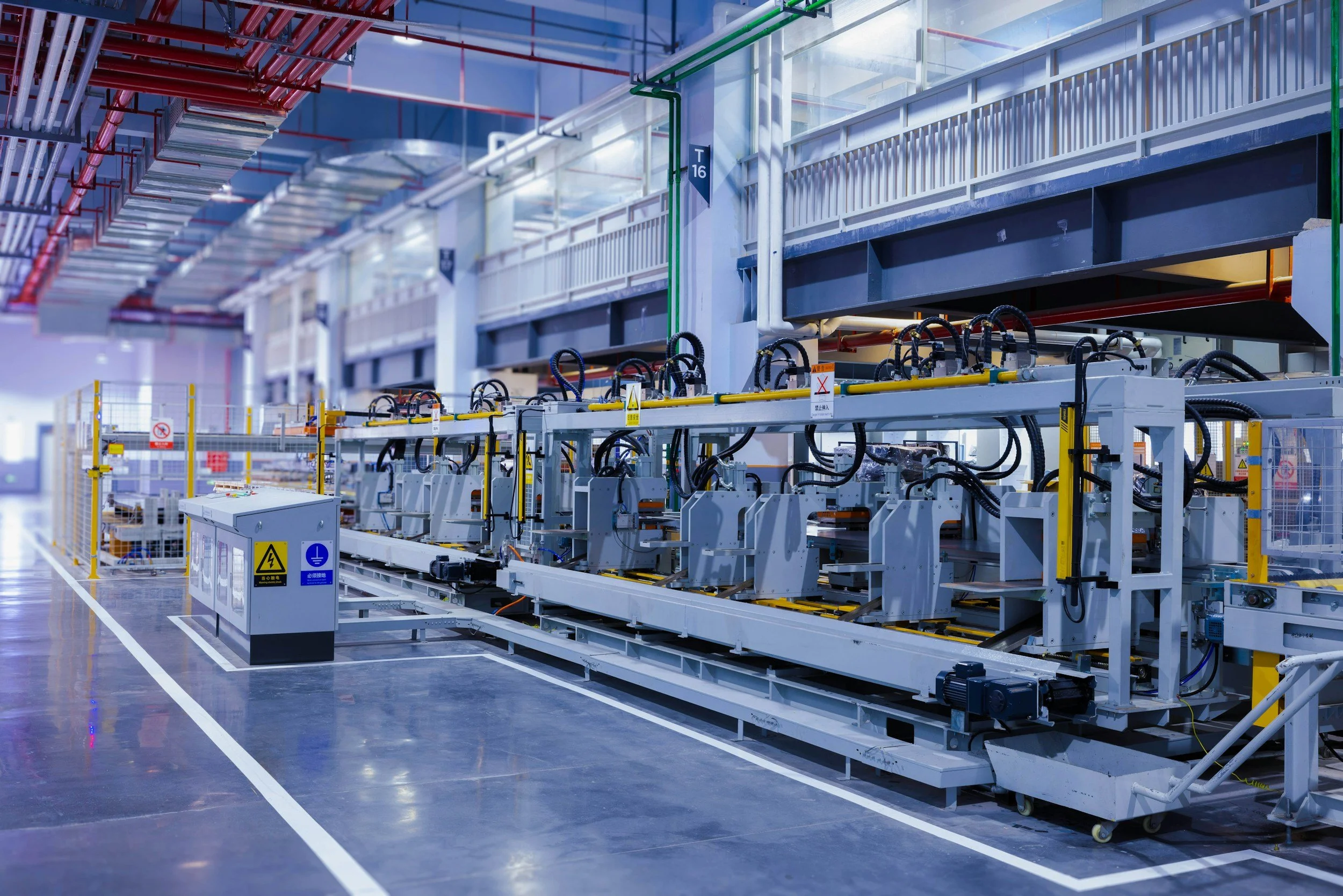
Traditional factory systems are constrained by:
Disconnected systems (MES, ERP, sensors, legacy equipment)
Limited real-time visibility across production lines
Manual coordination between production, quality, and maintenance teams
Reactive decision-making based on delayed or incomplete data
Difficulty executing consistent operations across lines, plants, and suppliers
In practice, factories collect vast amounts of machine and process data—but struggle to turn it into coordinated, real-time operational execution.
The Challenge
Disconnected Systems, Inefficient Execution
The D.Hub Approach
From Fragmented Factory Data → Orchestrated, Real-Time Production Operations
D.Hub transforms manufacturing environments by integrating and synchronizing data across machines, systems, and processes—bridging the gap between insight and execution on the factory floor.
Core capabilities:
Multi-source factory data integration
Collects and standardizes data across machines, sensors, MES, ERP, and production systems (4M1E: Man, Machine, Material, Method, Environment)Spatio-temporal synchronization
Aligns production, equipment, and process data into a unified time-space framework for full operational contextEdge + Platform architecture
D.Edge handles industrial data processing at the edge while D.Hub 2.0 enables centralized production intelligenceReal-time event & anomaly interpretation
Detects equipment issues, process deviations, and quality risks as they occurAI-driven orchestration & execution
Coordinates machines, workflows, and decisions using agentic AI—enabling automated, real-time operational responsesManufacturing system integration
Seamlessly connects with MES, ERP, QMS, digital twins, and control systems
Use Cases
Turning Factory Data into Real-Time Execution
D.Hub enables manufacturers to move from fragmented monitoring to coordinated, intelligent production operations.
End-to-End Production Visibility
Unify all production data into a single, real-time operational view.Integrate data across production lines, machines, and systemsTrack material flow, production status, and process conditionsMonitor operations across multiple lines and facilities
From siloed monitoring → to unified production visibility
Predictive Maintenance & Equipment Intelligence
Prevent downtime and extend equipment lifecycle.Analyze vibration, sound, current, and operational dataDetect early signs of equipment failureTrigger maintenance actions before breakdowns occur
From reactive maintenance → to predictive, automated intervention
Production Flow & Supply Coordination
Synchronize materials, processes, and logistics.Track raw materials, WIP, and finished goods across the factoryCoordinate production schedules with supply chain inputsReduce delays caused by missing or misaligned components
From disconnected processes → to synchronized production flow
Real-Time Production Optimization
Improve efficiency by continuously adjusting operations.Identify bottlenecks and inefficiencies across production flowOptimize machine utilization and process sequencingEnable just-in-time production and faster response to changes
From static planning → to adaptive production execution
Quality Monitoring & Defect Detection
Ensure consistent product quality in real time.Detect anomalies in production processes and outputsCorrelate process conditions with quality outcomesEnable immediate corrective actions on the line
From post-process inspection → to real-time quality control
AI-Driven Autonomous Operations
Enable scalable, intelligent manufacturing systems.Automate decision-making across production, maintenance, and qualityCoordinate workflows across machines, systems, and teamsEnsure consistent execution across lines, plants, and environments
From manual coordination → to AI-driven operational execution
Explore deployments across manufacturing operations, predictive maintenance, and intelligent production systems
(Impact Cases Coming Soon)