
Defense & Security Use Cases
Secure AI Data Platform / Operating System for Modern Defense Operations
Modern defense missions depend on fast, trusted decisions across land, sea, air, cyber, and critical infrastructure environments.
D.Hub 2.0 is the secure data and AI platform layer that connects fragmented systems, fuses real-time operational data, and enables next-generation defense capabilities—from command decision support to autonomous mission systems.
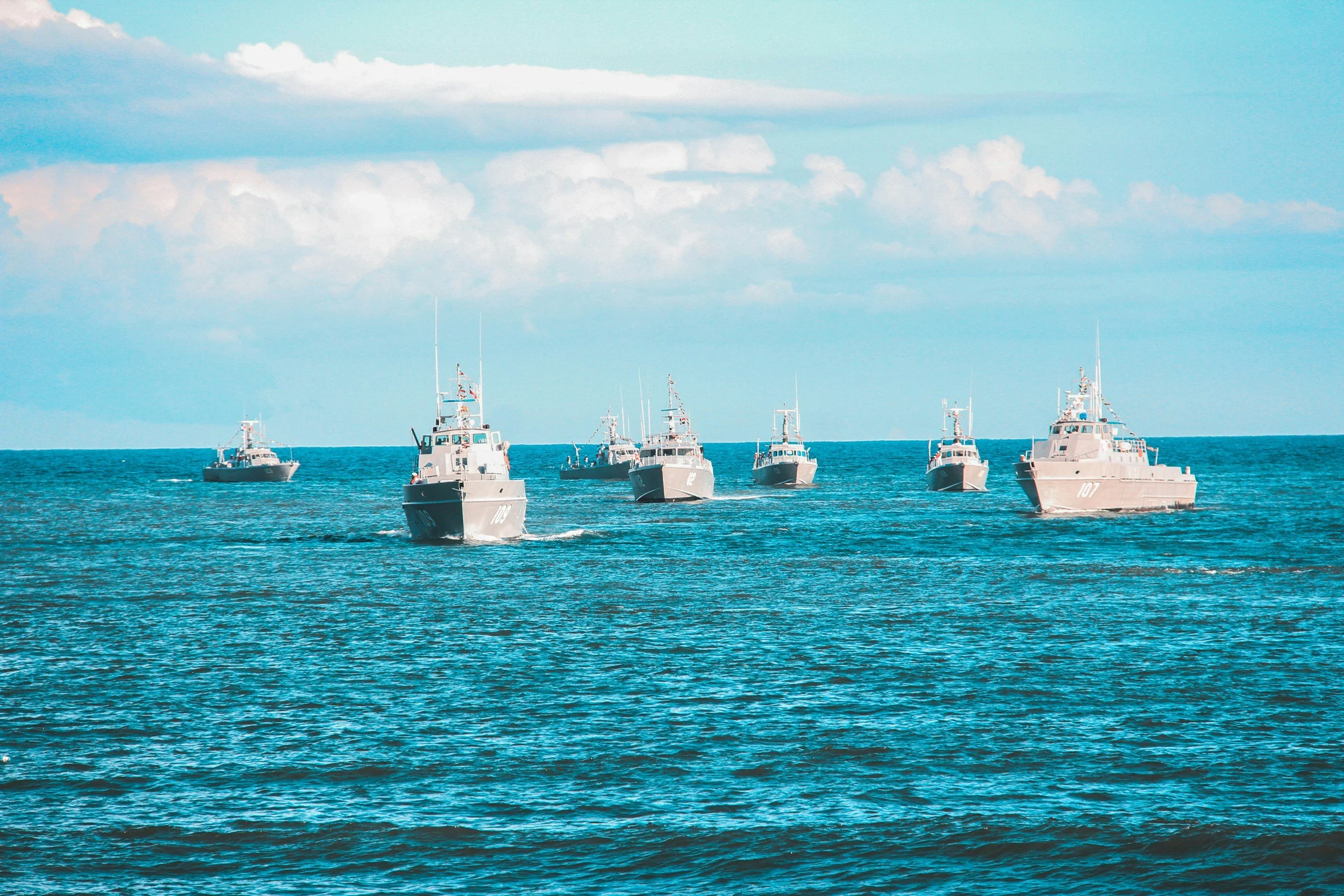
Built for sovereign deployment
Designed for mission-critical environments
Ready for AI-era operations
The Challenge
Legacy Systems Cannot Support AI-Era Operations
Defense organizations often face:
Disconnected sensor, surveillance, and command systems
High data volumes exceeding operator capacity
Delayed intelligence-to-action cycles
Limited interoperability across legacy platforms
Deployment constraints in secure or disconnected environments
Difficulty operationalizing AI with trust and control
Modern operations require faster coordination, better visibility, and trusted automation.
The D.Hub Approach
From Sensor Data → Real-Time Operational Intelligence
D.Hub transforms defense operations by synchronizing multi-source data into a single, real-time operational view.
Unified Operational Data Layer
Integrate radar, EO/IR, UAV, telemetry, GIS, communications, and external data sources into one synchronized environment.
Real-Time Event Intelligence
Detect movement, anomalies, threats, and mission-critical changes as events happen.
Secure Deployment Flexibility
Deploy on-premise, private cloud, edge nodes, or air-gapped environments depending on mission requirements.
AI Decision Support
Enable prioritization, prediction, planning, and automated workflows while preserving operator oversight.
Human-in-the-Loop Control
Support explainable recommendations, approval workflows, and command accountability.
Scalable Architecture
Operate across sites, regions, fleets, bases, or distributed mission assets.
Why D.Hub
Built for the Environments Where Failure Is Not an Option
D.Hub is designed for organizations that require:
Secure ownership of data and AI
Operational continuity under disruption
Real-time readiness across distributed assets
Integration with existing systems
Trusted automation under human control
Scalable modernization without full replacement
The future of defense will be defined by software, data, resilience, and speed.
D.Hub provides the foundation.
Use Cases
Turning Complex Environments into Real-Time Intelligence
D.Hub enables organizations to move from fragmented data streams to coordinated, real-time awareness across dynamic environments.
Common Operating Picture
Unify data across land, sea, air, cyber, and infrastructure environments into a single live operational view.From fragmented awareness → to shared mission understanding
Critical Infrastructure Protection
Apply mission-grade operational intelligence to ports, utilities, airports, logistics hubs, and national assets.From passive monitoring → to resilient operations
Border, Maritime & Base Security
Monitor dynamic environments with persistent detection, rapid assessment, and coordinated response.From static surveillance → to adaptive security
Explore deployments across intelligence, monitoring, and operational command systems
(Impact Cases Coming Soon)